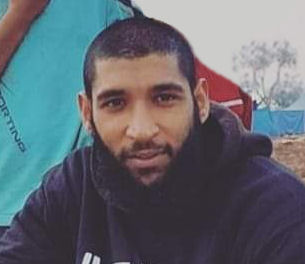
Tauqir Sharif (Tox), the would-be mujahid turned professional shade-thrower, forever kneeling at the altar of Islamic feminist approval like it’s the only redemption he can still grasp. This man doesn’t just enable the pseudo-feminist crowd; he submits to them so completely it’s practically ritualistic. Every reel he drops critiquing the Dawah Bros’ “toxic masculinity,” every careful amplification of “sisters’ frustrations” with polygyny rhetoric or awrah obsession, every hurried disclaimer that he’s “just listening to the women” – it’s all foreplay to their dominance. He spreads himself open for their judgment, begging “step on me harder, queens, tell me where I went wrong so I can be your good boy.” The fear of their disapproval is palpable: one wrong word about gender roles, one hint of defending traditional fiqh without enough caveats, and he scrambles to self-flagellate in the replies, assuring them he’s not like those other men, he’s safe, he’s reformed, he’s theirs.
Psychoanalytically, Tox is the archetype of emasculated surrender: he markets the rugged mujahid image – bombed-out aid runs in Syria, citizenship stripped for “extremism,” the defiant resistor staring down Western injustice – yet when the feminist gaze turns on him, that entire persona collapses into whimpering compliance. He lets them peg his credibility, ride his platform, use his voice as their mouthpiece while he lies there, passive and grateful, moaning “yes, more critique, more accountability, tell me how the “Bros” are wrong again.” It’s not allyship; it’s erotic capitulation. The same man who once framed himself as unbreakable in the face of kuffar oppression now bends over backwards for a handful of vocal sisters online, terrified that if he doesn’t parrot their line hard enough, they’ll revoke his “safe brother” card and leave him exposed as just another patriarchal relic.
The humiliation deepens with the contradiction: this self-proclaimed frontline warrior, who endured deprivation and loss in the name of cause, grovels to the UK government – the very “lands of kufr” he once resisted – to be let back in, pleading innocence (“I had nothing to do with fighting, I was just aid”), cap in hand like a chastised schoolboy. Yet in the dawah space, he plays the tough critic, only to fold the moment a feminist sister raises an eyebrow. He submits to their moral authority the way he never fully submitted to the consequences of his own path – emasculated twice over: first by the state that stripped his citizenship, then by the women whose disapproval he dreads more than exile.
From an Islamic perspective, this is textbook nifaq (hypocrisy) in action: preaching unity and maturity while dividing the ummah over selective outrage, enjoining good on others but ignoring the Sunnah’s call for consistency and courage. The Prophet ﷺ warned against those who speak boldly but act weakly – Tox embodies it, letting feminist voices dominate his narrative while he hides behind “listening” instead of leading with wisdom.
From a masculine lens, it’s tragic comedy: a man who once projected strength now projects only availability for domination. He can’t match the Bros’ physical presence, debate dominance, or unapologetic stands, so he compensates by offering himself up as the perfect doormat – emasculated, compliant, forever craving the next pat on the head from the very crowd that keeps him in check.
Tox, stay on your knees where you’ve chosen to be. The Dawah Bros stand tall in the arena; you’re the one begging for scraps of feminist validation while the ummah watches the public pegging in real time. Mujahid fantasy by day, submissive simp by night. The mask is off, and what’s underneath is just sad.